Thank you!
We need to fund this campaign ASAP! Get your friends involved

Share this fundraiser on Instagram
Together, we can achieve great things!
In modern warfare, logistics, evacuation, demining, and even combat missions...
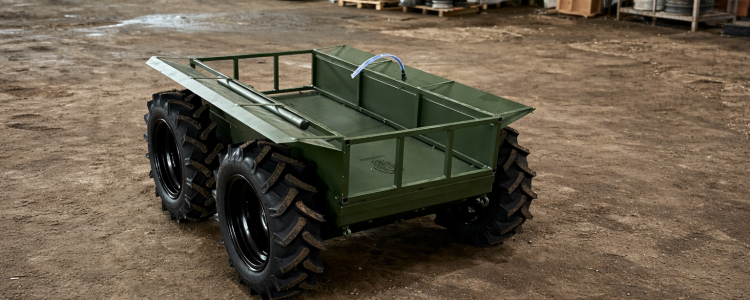
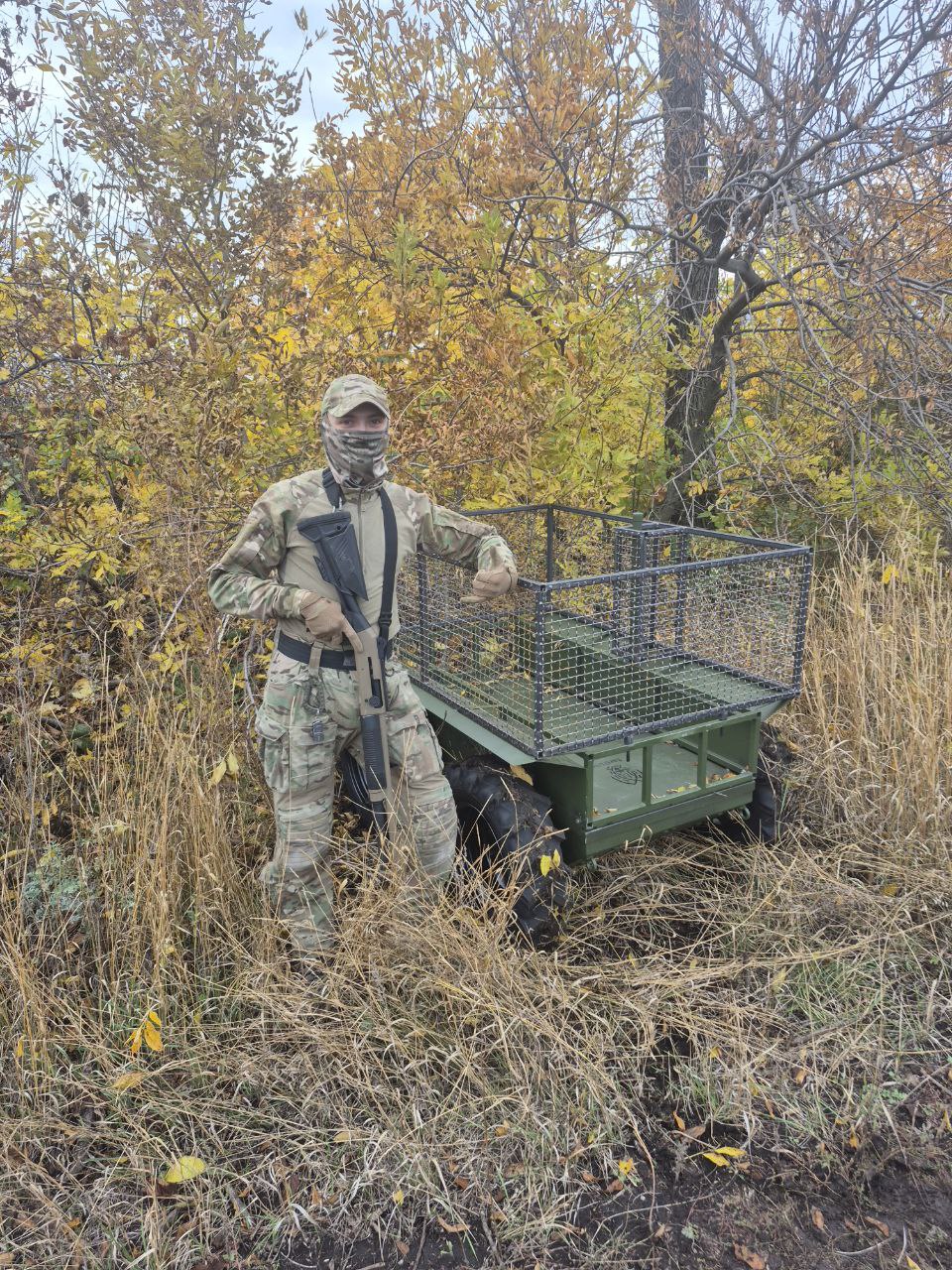
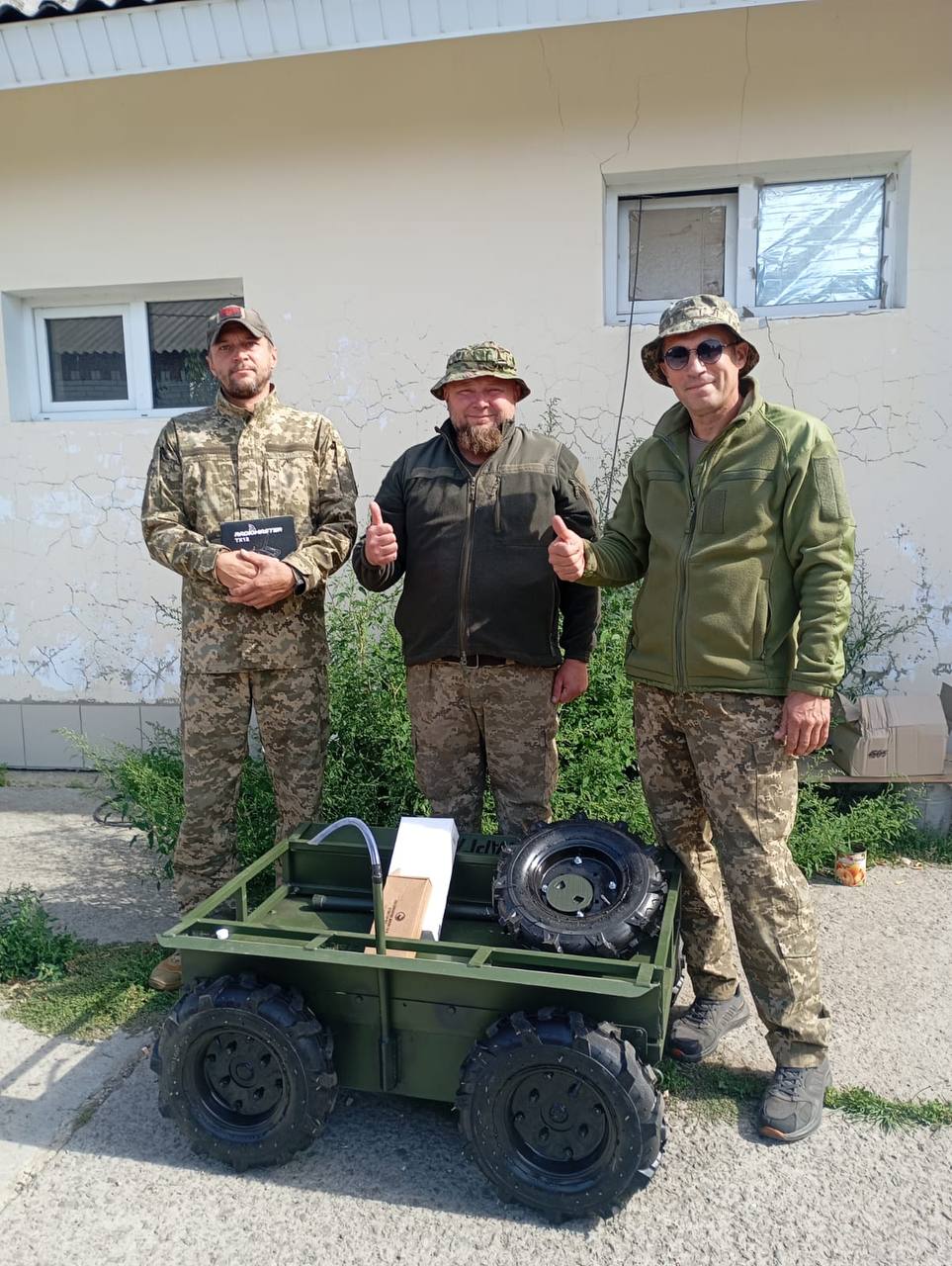
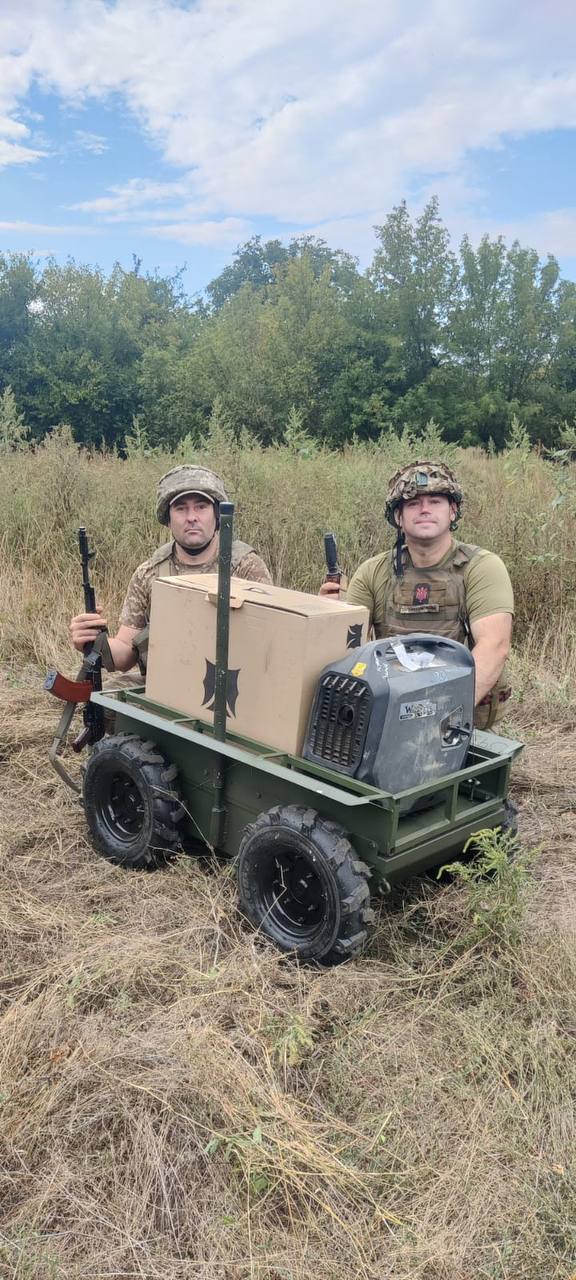
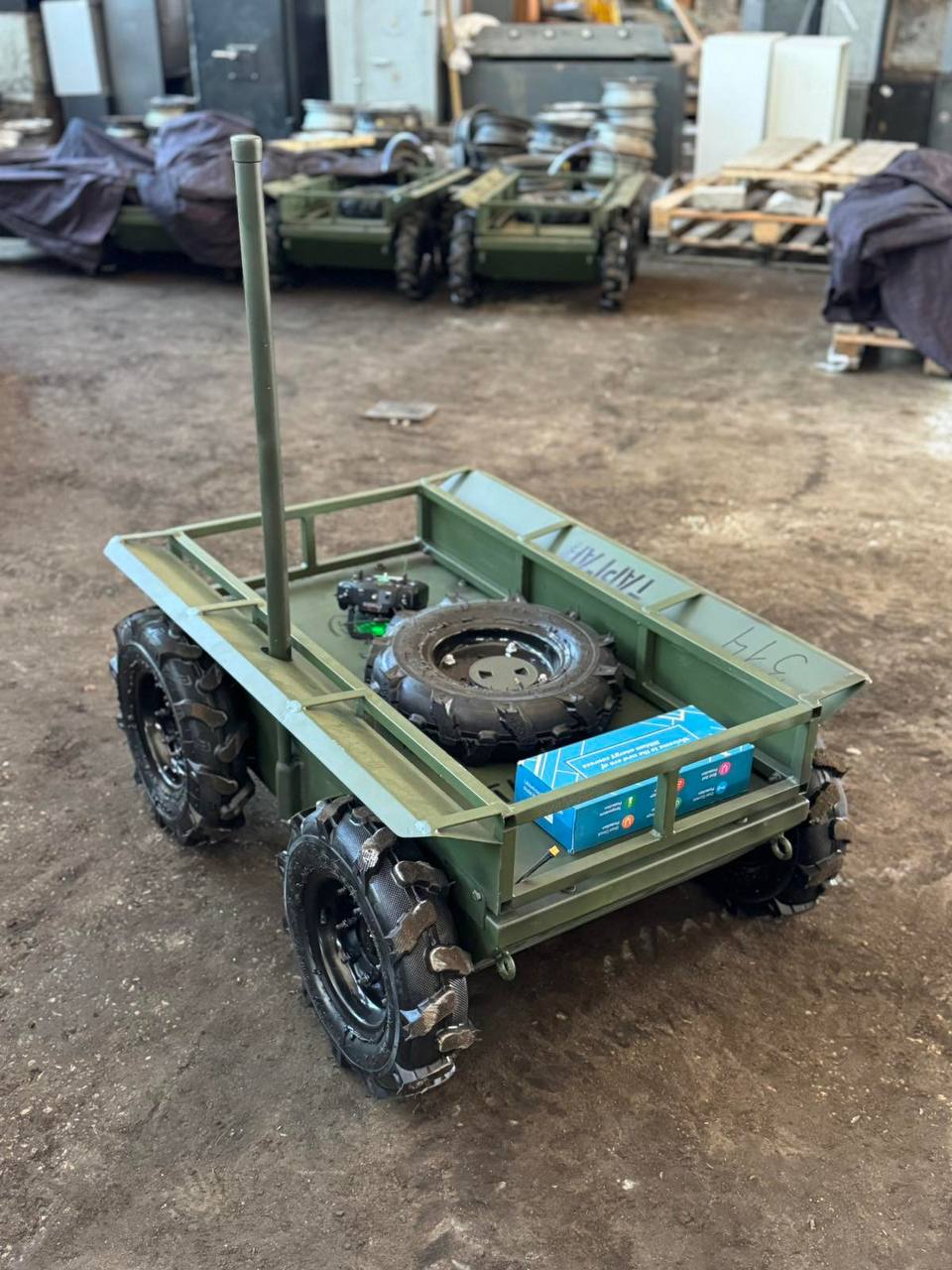
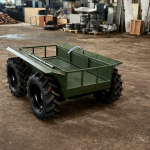
In modern warfare, logistics, evacuation, demining, and even combat missions are increasingly carried out not directly by people, but by robotic systems. That is why, within the PeoplesProject initiative, we pay special attention to ground robotic complexes (GRCs) — multifunctional platforms that are already changing approaches to warfare today. In this article, we explain what GRCs are, how they operate, and focus on three key models: the “Tarhan” GRC, the “Volia-E” GRC, and the “TerMIT” GRC — their characteristics, advantages, and role in the war in Ukraine.
Ground robotic complexes (GRCs) are remotely controlled or partially autonomous platforms designed to perform a wide range of tasks on land: delivery of supplies and ammunition, evacuation of the wounded, mining, demining, and fire support. Compared to aerial drones, GRCs have a key advantage: they can operate on rough terrain, overcome debris, trenches, mud, and forests — areas where trucks or people are exposed to danger.
In the context of the war in Ukraine, GRCs perform the following functions:
Today, the role of such complexes is not merely auxiliary but strategic: they help reduce risks to soldiers’ lives while increasing mobility and response speed. As one engineer notes: “A human life is more valuable than a piece of metal.”
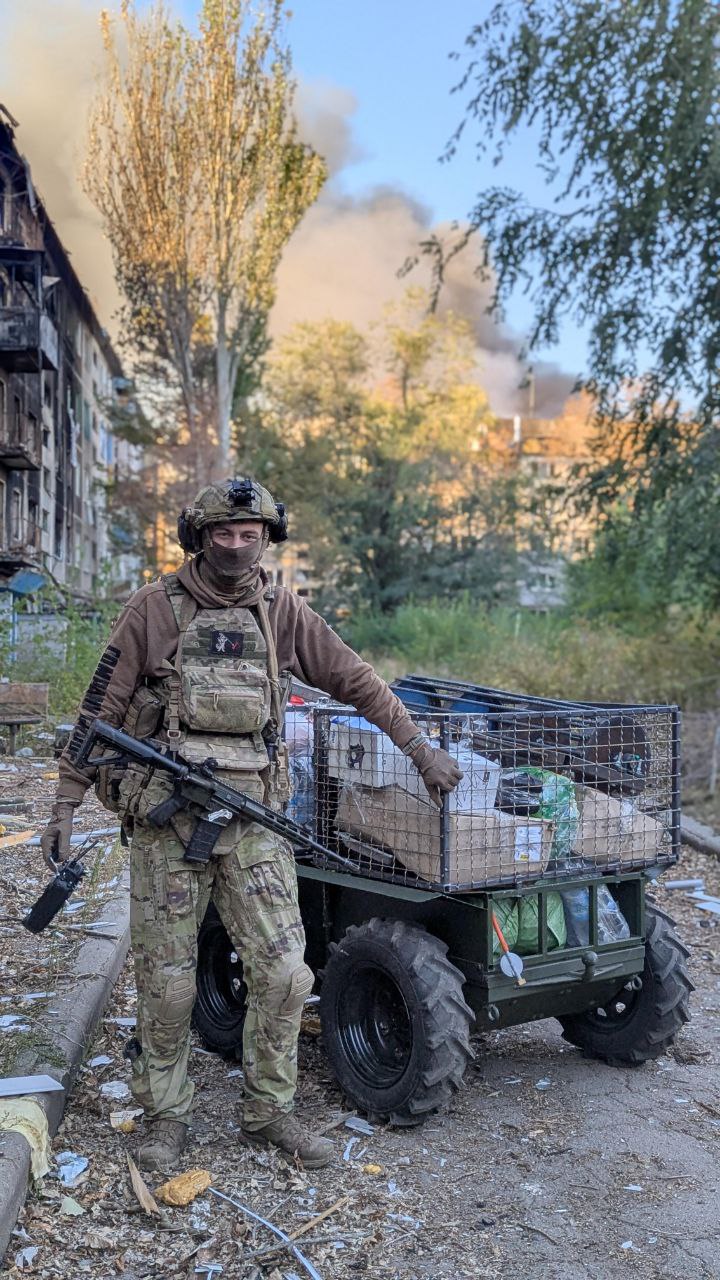
A Ukrainian-developed platform codified by the Ministry of Defense of Ukraine.
A Ukrainian ground drone designed for logistics and evacuation, with a payload capacity of approximately 200–250 kg.
A tracked, modular robotic complex of Ukrainian production with a payload capacity of up to ~300 kg.
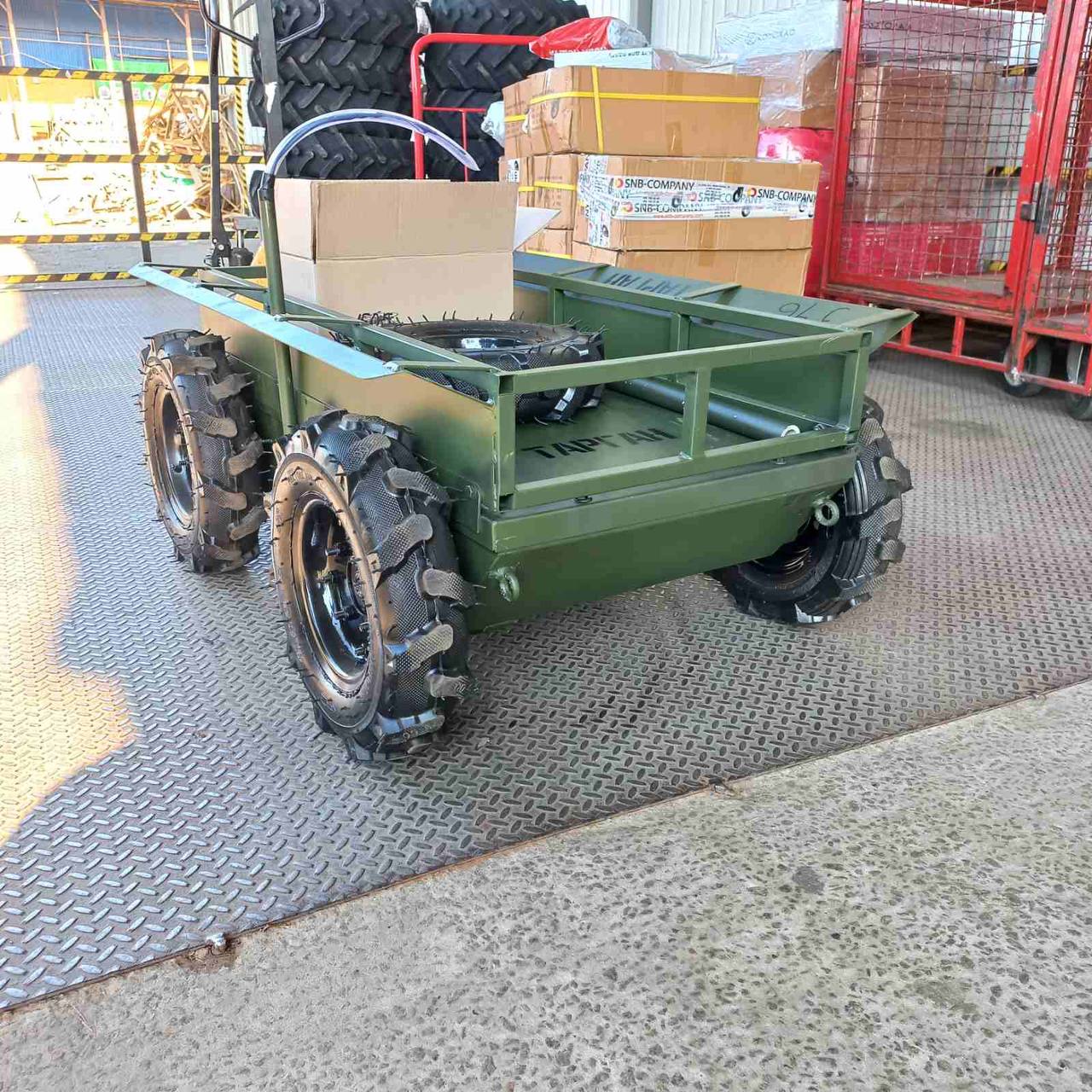
Ground robotic complexes are no longer science fiction — they are the reality of today’s battlefield. Platforms such as the “Tarhan,” “Volia-E,” and “TerMIT” GRCs help the Armed Forces of Ukraine solve critical tasks: from logistics to evacuation, from mining to combat support. They strengthen our army and increase the chances of victory.
Within the PeoplesProject foundation, we do more than raise funds — we invest in lives, safety, and the technological future of Ukraine. By supporting such solutions, we help the front become more effective and resilient.